Back to Blog
ADF UpdatesAI & DataCybersecurityDigital PolicyInfrastructureTrade & AfCFTA
Why Lomé Is Set to Become Africa’s Next Digital Capital
Emmanuel Clifford Gyetuah·October 2, 2026·4 min
ADF Updates
For years, conversations surrounding Africa’s digital technology revolution have centered around established tech hubs: Nairobi’s "Silicon Savannah," Lagos’s bustling venture ecosystem, Cape Town’s startup landscape, or Kigali’s policy-driven innovation district. However, along the Gulf of Guinea, a quieter yet structural transformation is taking root.
Lomé, the capital of Togo, is rapidly positioning itself not merely as another regional tech city, but as West Africa’s premier digital, policy, and institutional capital. Through a deliberate alignment of sovereign infrastructure, proactive policy frameworks, cutting-edge cybersecurity governance, and strategic pan-African integration, Lomé is building the infrastructure necessary to power Africa’s digital economy.
Here is why Lomé is set to become Africa’s next digital capital.
1. World-Class Infrastructure: Equiano and Sovereign Cloud Capabilities
A thriving digital economy relies heavily on robust physical infrastructure. Over the past five years, Togo has consistently prioritized high-impact tech infrastructure investments designed to serve both national and continental needs.
In March 2022, Lomé achieved a historical milestone by becoming the first African landing site for Google’s high-capacity Equiano subsea cable . This infrastructure investment multiplied the nation's internet bandwidth capacity twenty-fold, dramatically lowering latency and providing high-throughput connectivity to Togo and neighboring landlocked nations.
Complementing this subsea backbone is the Lomé Data Centre , inaugurated in June 2021. As a carrier-neutral, Tier III-certified sovereign facility, the center provides the localized hosting capacity required for enterprise cloud services, artificial intelligence processing, and secure data storage. By keeping data hosting local and secure, Togo provides tech enterprises, financial networks, and public institutions with high-reliability infrastructure built to international standards.
2. Safeguarding the Digital Frontier: Cyber Defense Africa and Sovereign Governance
As regional transactions migrate online, digital trust and cybersecurity become paramount. Lomé has taken a proactive approach, positioning itself as a continental reference point for cyber resilience and digital rights.
Through Cyber Defense Africa (CDA) —a joint venture between the Togolese Republic and specialized cybersecurity partners—the country operates a centralized Security Operations Center (SOC) and Computer Emergency Response Team (CERT) that safeguards critical national infrastructure and commercial networks.
Furthermore, in partnership with the United Nations Economic Commission for Africa (UNECA) , Togo established the African Cybersecurity Center in Lomé. This institution serves as a regional hub for threat intelligence, cybercrime prevention, and policy harmonization across member states. By addressing digital trust, Lomé offers technology companies, multinational banks, and startups a secure operational environment.
3. Policy Alignment: Stratégie Togo Digital 2025
Infrastructure alone is insufficient without forward-looking governance. Under the leadership of H.E. Faure Gnassingbé, and the Ministry of Digital Economy and Digital Transformation (MENTD), Togo has integrated digital technology into its core national strategy via the Stratégie Togo Digital 2025 .
This roadmap aims to digitize 100% of public administrative procedures, deliver biometric identity for all citizens, and foster an environment where technology start-ups can scale. Rather than viewing tech purely as an isolated sector, Togo treats digitization as a horizontal driver across agriculture, logistics, health, and trade.
Key initiatives under this vision include:
Digital Public Goods: Rapid deployment of interoperable e-government portals and mobile money payment gateways.
Ecosystem Acceleration: Active support for local incubators, technical bootcamps, and innovation hubs across Greater Lomé.
Regulatory Modernization: Modernized legal frameworks covering personal data protection, electronic transactions, and startup development.
4. Financial Capital Density and Pan-African Openness
Lomé occupies a unique strategic location at the intersection of Francophone, Anglophone, and Lusophone West Africa. It acts as a natural bridge between diverse economic blocs, supported by deep financial and diplomatic roots.
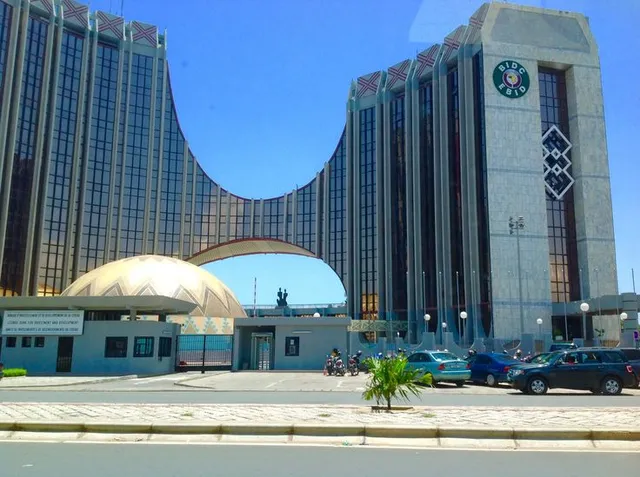
Lomé is the sovereign headquarters for major pan-African financial institutions, including the West African Development Bank (BOAD) , the ECOWAS Bank for Investment and Development (EBID) , and regional banking leaders like Ecobank . This concentration of institutional capital provides an ideal environment for blending public sector financing, venture capital, and private equity to support large-scale tech projects.
Moreover, Togo’s visa-free policy for African nationals demonstrates a clear commitment to continental integration. By eliminating visa friction for visitors across the continent, Lomé enables entrepreneurs, software engineers, investors, and researchers to assemble, collaborate, and trade without administrative delays.
5. Talent Creation and the MDI Flywheel
Building a digital capital requires a strong pipeline of local talent. To address the continent’s digital skills deficit, the Media and Digital Institute (MDI) ecosystem chose Lomé as the home for its flagship higher education institution, the Institut Des Métiers Du Digital (IMD) .
Operating alongside the Africa Digital Forum (ADF) and supported globally by the US-based MDI Africa Foundation, IMD is establishing an applied campus in Lomé to train software engineers, AI specialists, cybersecurity analysts, and digital entrepreneurs. By linking university curricula directly with corporate hiring needs and continental policy discussions, the MDI ecosystem ensures that Lomé supplies the workforce required to sustain its digital expansion.
The Epicenter of Africa's Digital Sovereignty
Lomé’s transformation into a digital capital is built on a clear, long-term vision. By combining subsea cable bandwidth, Tier III sovereign data hosting, proactive cybersecurity defenses, and open border policies, the city has laid the groundwork for an integrated digital economy.
The upcoming Africa Digital Forum (ADF) will convene policymakers, tech executives, investors, and founders in Lomé under the banner of shaping Africa's digital future. Lomé is not merely observing the digital transformation of the continent—it is actively helping build its infrastructure, policy, and talent.
EC
Emmanuel Clifford Gyetuah
Emmanuel Clifford Gyetuah is a versatile leader who specializes in transforming complex financial metrics into actionable strategic insights. Currently, he is the Organizing Director for the Africa Digital Forum, Director at the Media and Digital Institute, and Senior Finance Manager at Bolingo Consult.