
Back to Blog
Infrastructure
How New Undersea Cables Are Transforming Kenya’s Internet Landscape
Emmanuel Clifford Gyetuah·August 18, 2026·2 min
Infrastructure
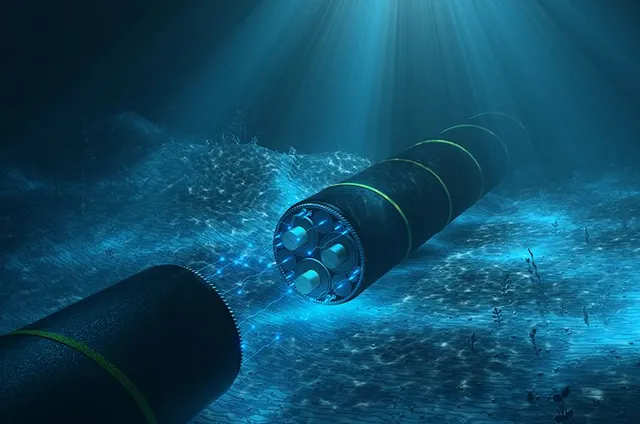
Kenya is solidifying its position as East Africa's premier digital hub with the upcoming addition of two major undersea fiber-optic cables by 2027. This infrastructure expansion comes at a pivotal moment, as the nation's international internet bandwidth capacity recently surged by 16.4%, reaching a staggering 28.1 terabits per second. This growth is not merely a statistical milestone; it represents the backbone of a rapidly evolving digital ecosystem driven by cloud computing, artificial intelligence (AI), and a burgeoning sector of digital services.
Expanding the Submarine Infrastructure
The first of these transformative projects is a 4,108-kilometer cable connecting Oman to Mombasa. This venture is a strategic partnership between Facebook and Safaricom PLC , designed to handle the massive data flows required by modern platforms. Complementing this is the ambitious 10,000-kilometer Africa-1 cable. According to TeleGeography , Africa-1 will link France, Africa, and the Middle East, with an expected landing in Kenya as early as next year. These additions will bring Kenya's total submarine cable landings to nine, placing it among the top five most connected nations in Africa, trailing only Egypt, Djibouti, South Africa, and Nigeria.
Catalyzing Cloud Computing and AI
The strategic importance of this enhanced capacity cannot be overstated. As businesses across the continent migrate to the cloud, the demand for low-latency, high-speed connectivity has become a prerequisite for competitiveness. The new cables provide the necessary redundancy and throughput to support massive data centers, ensuring that Kenyan enterprises can leverage AI-driven analytics and machine learning without the bottlenecks of restricted bandwidth. This infrastructure serves as a literal "data highway" for innovation, enabling real-time digital trade and the development of localized AI solutions that address regional challenges.
Digital Services and the 4G Surge
With 4G subscriptions exceeding 36 million as of March 2026, the consumer appetite for data is at an all-time high. From mobile banking to e-government services, the Kenyan populace is increasingly reliant on digital interfaces. The 16.4% rise in capacity ensures that as more citizens transition to digital-first lifestyles, the network remains robust. For us at the Africa Dgitial Forum, these developments signify more than just faster internet; they represent a fundamental shift in the economic landscape. The infrastructure will empower entrepreneurs, facilitate cross-border digital commerce, and provide the bedrock for the next generation of African tech unicorns.
Looking Toward 2027
As we look toward 2027, the landing of these cables will mark a new era of connectivity. By reducing the cost of international data transmission and increasing reliability, Kenya is effectively future-proofing its economy. The synergy between private sector investment, led by giants like Safaricom, and international partnerships ensures that Kenya remains at the forefront of the Fourth Industrial Revolution in Africa. The rise in internet capacity is the engine, and these new undersea cables are the fuel that will propel Kenya into its digital future.
EC
Emmanuel Clifford Gyetuah
Emmanuel Clifford Gyetuah is a versatile leader who specializes in transforming complex financial metrics into actionable strategic insights. Currently, he is the Organizing Director for the Africa Digital Forum, Director at the Media and Digital Institute, and Senior Finance Manager at Bolingo Consult.
Topics:Infrastructure